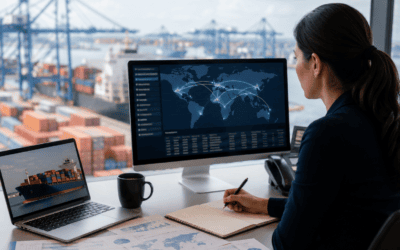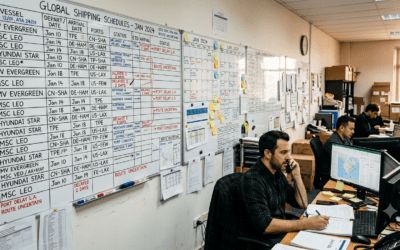

Global supply chains may no longer dominate daily headlines the way they did during the height of the pandemic, but for many businesses, shipping disruptions remain a very real operational challenge. In 2026, ocean freight delays continue to affect transit times, inventory planning, and transportation costs across major trade lanes. While conditions have improved from the peak congestion years, the industry is still facing persistent schedule unreliability, blank sailings, route diversions, and infrastructure constraints that make predictability difficult for shippers worldwide.
For companies that rely on international freight movement—especially food and agricultural exporters—these delays can have significant downstream effects on customer commitments, production timelines, and profitability. Understanding what is driving these disruptions is the first step toward building a more resilient shipping strategy.
Why Ocean Freight Delays Are Still Happening
Many businesses expected global shipping markets to stabilize once pandemic-era congestion eased. Instead, as we’ve shared previously, the industry continues to experience volatility shaped by geopolitical tensions, fluctuating demand, carrier overcapacity, and operational disruptions.
One of the largest contributors to current ocean freight delays is ongoing schedule unreliability among ocean carriers. While March showed a significant increase in reliability to 36%, that trend hasn’t held. This summer, many vessels continue to arrive days—or even weeks—behind schedule.
At the same time, carriers are increasingly using blank sailings to manage excess capacity. When demand softens, carriers may cancel scheduled voyages to stabilize freight rates and reduce operating costs. While this helps carriers manage profitability, it also reduces available vessel space and limits routing flexibility for exporters and importers. These challenges are compounded by several additional factors:
- Port congestion in key global gateways.
- Labor shortages affecting terminals, trucking, and warehousing.
- Weather disruptions and seasonal storms.
- Longer transit routes caused by geopolitical instability.
- Equipment imbalances and container repositioning issues.
Individually, each issue can create delays. Combined, they create an environment where schedules remain difficult to predict consistently.
Geopolitical Disruptions Are Extending Transit Times
Global shipping routes have also become increasingly vulnerable to geopolitical instability. Continued security concerns in the Red Sea have forced many carriers to reroute vessels around the Cape of Good Hope rather than transit through the Suez Canal. These diversions can add significant transit time to Asia-Europe shipments while increasing fuel consumption and operating costs.
Restrictions and operational challenges affecting the Panama Canal continue to pressure global trade flows. Reduced canal capacity caused by low water levels has limited vessel transits and created additional congestion across alternative routes.
Even businesses that do not ship directly through these regions can feel the effects. Ocean freight networks are highly interconnected, and disruptions in one major trade lane often ripple across global schedules, vessel availability, and container positioning. As a result, delays are no longer isolated events. They have become part of a broader pattern of ongoing global shipping challenges.
Blank Sailings Continue to Disrupt Planning
Blank sailings remain one of the most frustrating issues for shippers in 2026. When a carrier cancels a scheduled voyage, businesses may suddenly find their cargo delayed by days or even weeks while waiting for the next available vessel. This creates additional pressure on inventory planning and delivery commitments.
Importantly, blank sailings affect exports as much as imports. When fewer vessels are operating on a trade lane, exporters face:
- Reduced booking availability.
- Increased competition for container space.
- Longer lead times.
- Greater risk of rolled cargo.
For industries shipping seasonal or perishable products, timing becomes especially critical. Agricultural exporters, including dried fruit and nut suppliers, often work within narrow shipping windows tied to harvest cycles, customer contracts, and retail demand periods. Even relatively small delays can disrupt downstream distribution schedules and impact customer relationships.
Freight Delays Create Broader Business Risks
Ocean freight delays are not simply transportation problems; they quickly become business problems as well. Unpredictable shipping schedules make it harder for companies to:
- Manage inventory efficiently.
- Forecast delivery timelines.
- Coordinate production schedules.
- Control transportation costs.
- Meet customer expectations.
Many companies continue carrying higher inventory levels as a buffer against disruption, which increases warehousing costs and ties up working capital. Then there are the unexpected delays that can force businesses to rely on expedited transportation methods to meet urgent deadlines, significantly increasing logistics expenses.
For exporters operating on tight margins, even modest increases in shipping costs or transit times can have a measurable financial impact.
Research has shown that rising freight costs and slower shipping cycles can directly reduce agricultural export volumes, underscoring how closely logistics performance is tied to global trade competitiveness.
Visibility and Flexibility Matter More than Ever
While businesses cannot eliminate global shipping disruptions entirely, they can take steps to reduce risk and improve responsiveness. In today’s market, successful freight strategies increasingly depend on:
- Proactive planning.
- Diversified routing options.
- Real-time shipment visibility.
- Strong carrier and forwarding partnerships.
- Flexible inventory management.
Businesses that plan earlier and maintain contingency options are often better positioned to adapt when delays occur. Communication also plays a critical role. Access to timely shipment updates and market insights allows companies to make faster operational decisions when schedules shift unexpectedly.
For many shippers, working with an experienced freight forwarding partner has become increasingly valuable in navigating changing carrier conditions, evolving regulations, and ongoing market uncertainty.
Looking Ahead
Ocean freight delays are unlikely to disappear entirely in the near future. Global shipping networks remain under pressure from evolving trade patterns, geopolitical instability, infrastructure constraints, and shifting carrier strategies. However, businesses that understand the underlying causes of disruption—and adapt their logistics strategies accordingly—will be better positioned to manage risk and maintain supply chain continuity.
In today’s environment, resilience depends not only on moving cargo efficiently, but also on planning strategically, communicating proactively, and remaining flexible in the face of ongoing change. Contact Cyclone Shipping to launch a partnership that will help you stay ahead of changes in the shipping landscape.